Walk into a busy tattoo studio on a Saturday and you’ll see the same pattern across the country: a client pointing to a bold eagle on a flash wall, another asking about a sailor’s pin-up, and a younger couple debating whether to go full dagger or keep it classy with a horseshoe and roses. American traditional is having a real moment. Not a fleeting trend, but a legitimate revival shaped by client demand, shop culture, and a new generation of tattoo artists who respect the roots and push the craft forward.
I started in a tiny tattoo parlor where old-timers still used acetate stencils and you could smell the green soap from the sidewalk. Back then, neo-traditional was roaring, fine line tattoos were nibbling at the edges, and black and grey tattoos stood as a separate church. Now I see American traditional tattoos landing on first-timers and collectors alike. It’s the style that turns walk-in tattoos into forever favorites, and it’s adjusted perfectly to a social media era where symbols have to read clean and strong on a small screen. This isn’t nostalgia for nostalgia’s sake. It’s practical, beautiful, and for many clients, the most bulletproof way to wear ink for decades.
What Makes American Traditional Work So Well
It might look simple: bold outlines, a limited yet saturated palette, and iconic motifs. But simplicity is the hardest thing to do right. American traditional designs rely on a few key principles that translate extremely well to the real canvas of human skin.
High contrast means longevity. A snake wrapped around a skull or a ship tossing on a stylized sea stays legible as skin ages. The saturated reds, deep blacks, and clear yellows cut through melanin shifts and sun exposure far better than desaturated palettes. When I see pieces I did 10 or 12 years ago, the traditional ones still read at a glance. The edges may soften, but the design holds because the structure is sturdy.
Clear shapes help healing and aging. Big lines, well-spaced shading, and purposeful color choices reduce the risk of muddiness. Your local tattoo shop might show you a healed portfolio and you’ll notice how American traditional tattoos look the closest to their day-one photos compared to finer styles. That’s not a knock on micro-detail tattoos. It’s just a reality of the medium.
Symbolism that resonates. Anchors, daggers, clipper ships, panthers, swallows, roses, lady heads, and dice didn’t survive for a century by accident. These motifs carry weight. They’re flexible enough for personal stories without losing their backbone. When I do a tattoo consult with someone who wants a memorial piece but doesn’t want the typical portrait route, I’ll often guide them toward a well-built traditional symbol with a nod to their person’s life. It reads clean, it holds meaning, and it will keep its dignity over time.
The Modern Studio’s Best Friend
A busy custom tattoo shop needs a reliable workflow for walk-in tattoos, appointments, and repeat clients. American traditional fits that rhythm better than almost anything else.
This style thrives on flash. Well-drawn flash is not a shortcut. It’s a library of field-tested designs that come together quickly and heal beautifully. For a shop that takes walk-in tattoos, a strong flash wall means less negotiation, faster decision-making, and happier clients who feel confident picking from a gallery rather than improvising on the spot. Flash also improves safety and quality control. These are designs crafted to work with typical placements and muscle flow, so you’re not forcing a complex idea onto a tricky part of the body.
At the same time, the traditional toolbox gives you room for custom. In a tattoo appointment, we can riff on classic forms. A sailor’s rope becomes a chain from your dad’s toolbox. The dagger’s handle takes cues from your grandmother’s brooch. The banner can hold song lyrics or dates. You’re not locked into a museum piece. Think of it as playing jazz with a familiar melody. That blend of efficient structure and personal storytelling is a sweet spot for both clients and tattoo artists.
Fine Line, Black and Grey, and the Role of Contrast
People often ask how American traditional stacks up against black and grey tattoos or today’s fine line tattoos. The answer depends on your goals and skin type.
Black and grey pieces excel in soft storytelling. They can build mood with gentle shading, perfect for religious imagery, portraits, or surreal landscapes. When a client sits for a black and grey sleeve, we spend more time planning value transitions and negative space. It’s slower work, but the payoff is depth. In contrast, a traditional sleeve leans on readable silhouettes and bold marks. If you like your art loud and iconic, traditional carries that banner.
Fine line tattoos are beautiful, especially for delicate scripts, botanical illustrations, or small minimalist tattoos. Under ideal conditions and with proper aftercare, they can hold up quite well. But the margin for error is smaller. Skin texture, sun exposure, and placement can quickly rough up micro lines. I often steer first-time clients who want their tattoo to look sharp at a distance toward American traditional for that reason. The trade-off is obvious: fine line feels airy and subtle, while traditional is decisive and punchy. Choose the look you’ll still love when you’re 60, after a few summers, and a dozen bumps and scrapes later.
Why Clients Keep Choosing Traditional for First Tattoos
Ask any receptionist at a tattoo and piercing studio what they book most on Saturdays and you’ll hear it: small to medium traditional motifs on arms, calves, and shoulders. First-timers want reassurance that they’re making a good choice. Traditional offers that, because:
It’s friendly to most skin tones. The color palette is chosen to stand up on a range of complexions. That matters when you want bold impact.
It works small without becoming a blob. Traditional designs can compress and still read as a rose, a snake, or a ship. If you’ve ever seen a micro photo-realistic wolf shrink down to a mushy bruise, you know the cautionary tale.
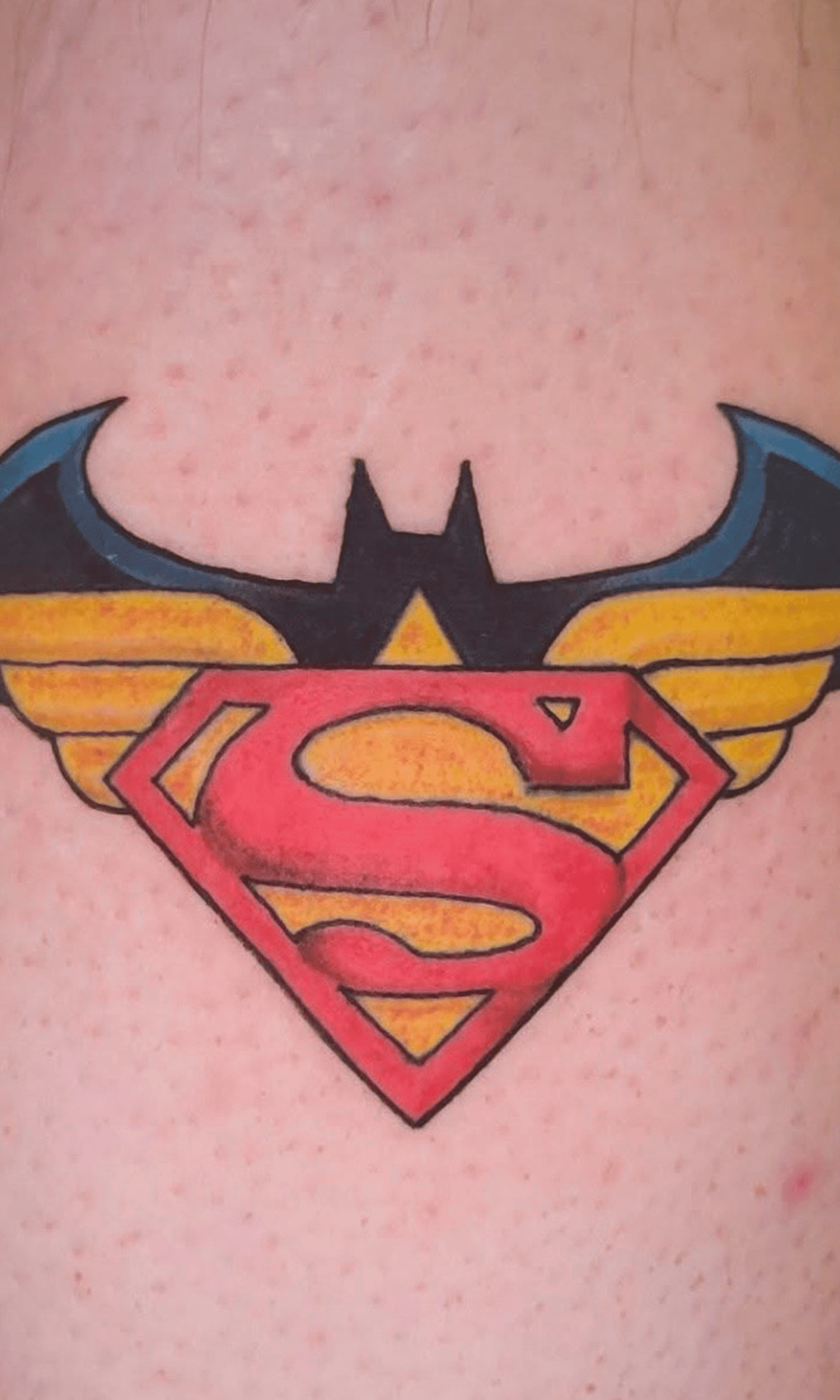
It heals forgivingly. Clean outlines and deliberate packing of color or black shading create stable edges during the healing process. Fewer tiny frays, less fussy scabbing, and fewer touch-ups.
The culture around it is https://curlystattoo.com/ welcoming. A client walks into a tattoo parlor and sees flash that spans generations of style and living. It feels like joining a story, not just getting a random picture.
The Artist’s Perspective: Why We Love Doing It
From the chair side, American traditional gives a craftsman’s satisfaction. You’re building something to last. You can move with confidence, because the design is built on time-tested geometry. It’s not as rigid as outsiders think, either. The fun lies in nuance: how you taper a line, where you push the black, which red you choose for warmth, how you stage your whip shading to animate a panther’s jaw. A senior artist might obsess over a millimeter of negative space between a leaf vein and the outline. Those tiny decisions add up to a piece that breathes.
Another advantage is consistency in a busy schedule. When you stack a day with walk-in tattoos and a couple of booked sessions, predictable execution matters. Traditional designs allow for precise quoting on time and cost. That keeps your day on track, your clients well-informed, and your sterilization cycles and setup changes optimized. A shop’s reputation for being the best tattoo shop in town often comes from reliability as much as from artistry.
From Flash to Custom: How to Evolve a Classic
Clients sometimes worry that pulling a design from the wall means their tattoo won’t feel unique. In practice, flash is a starting point. You can modify a few elements without breaking the structural logic that makes the design work. Swap a swallow for a sparrow if the species matters to you. Shift the flower from a rose to a chrysanthemum if that’s your season. Add a banner, remove one, or tuck a birth year into the leaves. Ask your artist to show you two or three variations during your tattoo consult. The result feels personal, but still runs on the sturdy rails of the tradition.
For larger projects, such as a half sleeve, we weave motifs together with wind bars, filigree-inspired leaves, and consistent line weights. The trick is rhythm. Big hits, then rests. Strong black to anchor, warm color to carry the eye. If you’ve only seen chaotic patchwork arms, visit a custom tattoo shop that specializes in traditional composition. A thoughtful layout can look like one continuous story rather than a scrapbook.
The Social Media Effect, For Better and Worse
Instagram and TikTok accelerated the American traditional revival by rewarding visuals that read instantly. A dagger or tiger with bold contrast pops on a phone screen the same way it pops from across a room. That visibility brought new clients to the style who might have scrolled past subtler black and grey pieces.
The downside is trend-chasing. You’ll see motifs cycle hard for six months, then disappear. If you’re picking tattoo design ideas from a feed, step back and ask whether you’d still wear it when that song stops playing. Traditional helps here too, because the imagery predates the algorithm. Eagle, rose, skull, woman’s head, snake, anchor, ship, heart, horseshoe. These never go out of rotation. They just take turns in the spotlight.
When Traditional Isn’t the Right Fit
No one style solves every problem. If you want a realistic portrait, heavy American traditional will feel wrong. If your idea hinges on delicate lace or photorealistic fur, lean into black and grey or a hybrid approach. If you’re allergic to bold outlines, you won’t be happy with a traditional piece no matter how well executed.
Cover-ups are a special case. People often assume more detail will hide an old tattoo better. Usually, we need saturation and contrast, which points back to traditional or neo-traditional. A fine line cover rarely works unless the underlying piece is very light. I’ve done successful tattoo cover-ups by anchoring them with a dense panther head or a rose cluster, then feathering leaves to break up the old silhouette. If your old tattoo is saturated black, set realistic expectations: we may need multiple passes or even selective laser sessions to knock it down before the new work goes on top.
Building a Collection That Ages Gracefully
Collectors know a good arm reads like a gallery with a curatorial eye. Traditional gives you a toolkit for placement and flow. Stack a dagger vertically to elongate the forearm. Angle a panther along the outer bicep to echo muscle lines. Use roses as the mortar between bigger bricks. Think about how the negative space between pieces forms its own shapes. Over time, you can add bands of stars, dots, or smoke to tie the set together without cluttering it.
If you plan on mixing styles, start with traditional anchors, then insert black and grey scenery around them. Or choose a dominant palette and keep your values consistent. The goal is coherence from six feet away, not just a collection of stickers. A smart tattoo appointment schedule helps too. Knock out a medium piece, let it heal, then place the next one with a mind to future connections. Your artist can mark reference lines while your arm is neutral, bent, and fully extended, to ensure the composition reads well in motion.
Shop Culture and Training: The Revival’s Backbone
This wave isn’t only about clients asking for panthers again. It’s also about shops building solid apprenticeships and expecting strong fundamentals. The best tattoo shop in your city probably has a few traditional killers who can draw circles around a trend. They teach line weight, consistent packing, needle control, and how to choose pigment loads for different skin tones. That knowledge crosses styles. A fine line specialist who trained traditionally will usually produce cleaner, steadier results because they understand the underlying grammar.
Flash painting nights come back into play too. Studios that paint together develop a consistent visual language. You can feel it when you walk in. The flash isn’t copied from Pinterest. It’s a living set, tuned to the shop’s identity and the neighborhood’s tastes. That’s when a local tattoo shop turns into a destination.
Aftercare That Matches the Style
Traditional tattoos are forgiving, but you still have to treat them like a fresh wound. I’ve seen beautiful work flattened by sun within a single summer. Clients should expect the usual aftercare routine: gentle washing, non-scented moisturizer, and no picking. The real key is long-term maintenance. Keep sunscreen in your car for spontaneous patio sessions. If you bartend or cook, be mindful of heat and abrasion on forearms. A touch-up after a few years is normal, especially if you live outdoors.
Healing times vary. A small eagle on the outer arm might look perfect within two weeks. A larger thigh piece with heavy black can take three to four weeks to fully settle. If you’re planning travel or water activities, schedule your tattoo at least a month ahead, and mention those plans during your tattoo consult. Your artist can adjust coverage and placement to make life easier.
Pricing, Value, and the Reality of Time
Traditional pieces often have more predictable pricing because the variables are lower. A palm-sized rose with tattoo studio leaves and a banner is a known quantity. That helps clients budget and helps tattoo artists schedule smarter. Remember that value isn’t only size and hours. It’s also a function of design clarity and longevity. A cheaper, hyper-detailed micro piece that fades into mush after three years isn’t a bargain. A well-built traditional piece that stays strong for decades is.
Clients sometimes worry about tipping etiquette and deposits. Call your local tattoo shop and ask. Most places take deposits to lock in the date, and those deposits typically go toward the total cost on the day of your appointment. If a shop offers walk-in tattoos, they might run a different system for same-day work. Clear policies are a good sign that the shop takes its craft and your time seriously.
Choosing the Right Artist for Traditional Work
The best advice is simple: look at healed photos. Not just day-one shots under bright lights. Check lines, saturation, and edges. Do the images still read cleanly six months or two years later? Ask to see designs on a range of skin tones. A real pro will be proud to show that range.
Experience matters, but not every veteran is stronger than every newcomer. I’ve seen younger artists with fierce fundamentals and a deep respect for the style knock out flawless pieces. What you want is an honest conversation during your tattoo consult. The artist should talk about placement, size, and simplification with confidence, not arrogance. If they suggest going 10 to 20 percent bigger for longevity, consider it. That advice comes from healed work, not from upselling.
Trad Crossovers: When Old Meets New
The revival isn’t a museum reenactment. It’s evolving. Artists are integrating modern pigments that stay brighter longer, using rotary machines for smoother shading, and pulling in selective realism elements without breaking traditional readability. You’ll see snakes with slightly more anatomical head shapes, roses with subtle gradients beyond the historical palette, or eagles with refined feather work that still holds up at a distance.
Crossing with black and grey is common. A fully saturated panther head paired with muted background clouds sets a powerful figure-ground relationship. Fine line flourishes occasionally sneak in, but the moment they start to dominate, the piece loses its traditional character. The balance is the story: bold first, flourishes second.
A Few Practical Pointers Before You Book
- Decide whether you want a timeless motif or a highly personal symbol. If it’s personal, work with your artist to fold that meaning into classic imagery, not replace it. Plan placement with your life in mind. If you’re in a formal environment, inner arm or upper thigh is discreet. If you’re in a creative field, forearms are prime real estate. Consider sun exposure. Outer forearms, hands, and necks take more UV. If you tan, be diligent with sunscreen or lean into black-heavy designs. Budget for touch-ups. Most shops offer a healing window for free touch-ups. After that, expect a fair rate for refreshes. Eat, hydrate, and sleep before your session. Traditional tattoos often move quickly, but they still demand stamina.
The Flash Wall Is a Map, Not a Cage
One of my favorite moments is watching a client step up to a flash wall and point, not with hesitation, but with certainty. They’re not guessing. They’re saying yes to a language that has survived multiple eras of fashion and technology. The revival we’re living through isn’t nostalgia, it’s recognition. Traditional is honest about what skin does over time, what a tattoo needs to communicate at a glance, and how artistry and craft share the same heartbeat.
If you’re browsing tattoo design ideas for your first piece, or if you’re planning to add to a collection, spend some time with American traditional. Visit a shop that paints its own flash. Ask to see healed photos and portfolios that include cover-ups, large compositions, and walk-in tattoos. Book a proper tattoo appointment if you want a custom spin, or pick a flash banger and let it rip. With a smart artist and a style built on clarity and courage, you’ll walk out wearing something that will still look right decades from now.
That’s the quiet secret of the revival: it’s not new at all. It just never stopped working.